Blended Family Success: How to Build Strong and Lasting Connections
Family
| By Hannah Cole | February 3, 2026 | 5-6 min read
Blended families face unique challenges, but with patience and intention, strong bonds can flourish. Learn practical strategies to build trust, encourage unity, and create lasting connections in a blended household.
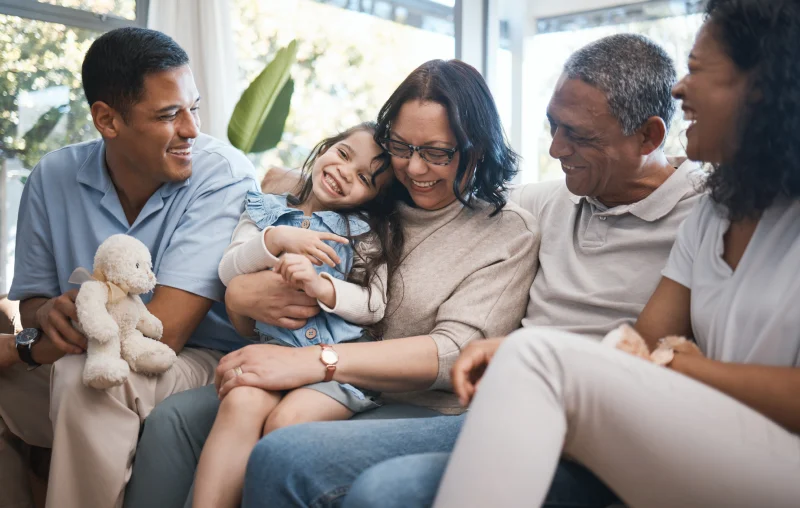
Blended families are becoming increasingly common, reflecting the evolving definition of what it means to be “family.” While bringing two families together can be a deeply rewarding experience, it also comes with challenges — from navigating differing parenting styles to balancing emotional needs. The good news is that with patience, empathy, and open communication, blended families can form strong, lasting, and loving connections.
“The bond that links your true family is not one of blood, but of respect and joy in each other’s life.” — Richard Bach
This insight perfectly captures the essence of modern families — where love, not lineage, creates the foundation for unity and belonging.
1. Set Realistic Expectations
It’s natural to hope for an instant bond, but building trust takes time. Each member — parents, step-parents, and children — brings their own experiences, emotions, and expectations into the new family dynamic.
Instead of forcing closeness right away, allow relationships to develop organically. Acknowledging that adjustment takes time reduces frustration and creates space for genuine connection. Celebrate small moments of progress, such as shared laughter or a comfortable conversation.
2. Prioritize Open Communication
Transparency and honest dialogue are the cornerstones of a successful blended family. Encourage everyone to share their feelings, concerns, and hopes in a safe, non-judgmental environment.
Regular family meetings or one-on-one check-ins can help address misunderstandings early. When communication channels stay open, conflicts can be resolved with empathy rather than resentment. Parents should also model healthy communication by listening actively and showing mutual respect.
3. Respect Past Relationships
Blending families often means blending histories. It’s essential to honor past family ties rather than trying to replace them. Children, especially, may feel conflicted about loyalty to biological parents or adjusting to new authority figures.
Acknowledging these feelings and validating them can make the transition smoother. The goal isn’t to erase the past but to build a new, inclusive chapter together — one rooted in understanding and respect.
Image credit: Image from Pexels
4. Create Shared Traditions
Traditions help build identity and belonging. Whether it’s cooking a Sunday breakfast together, celebrating holidays in a new way, or taking annual family trips, shared experiences help unite everyone.
When both “sides” of the family contribute to creating these traditions, it fosters equality and shared ownership — turning “yours” and “mine” into “ours.” Over time, these moments become the emotional glue that holds the family together.
5. Define Clear Roles and Boundaries
Blended families often face uncertainty about authority and roles, especially when step-parents are involved. Setting clear boundaries and expectations early helps prevent confusion and tension.
Both adults should present a united front on household rules and discipline while remaining sensitive to children’s adjustment. Respect for personal space, privacy, and individuality goes a long way toward maintaining harmony.
6. Practice Patience and Empathy
Building emotional bonds in a blended family requires patience and understanding. Every person processes change differently — some may embrace it quickly, while others need more time.
Image credit: Image from Pexels
Empathy is key. Instead of focusing on resistance, try to understand the reasons behind it. Small gestures like remembering a child’s favorite activity or acknowledging their feelings can build trust and emotional security.
Blended families thrive not by perfection, but through perseverance, love, and open-hearted communication. Each day offers a new opportunity to strengthen trust, deepen relationships, and build memories that transcend background or biology.
As Richard Bach reminds us, true family is built “not by blood, but by respect and joy in each other’s life.” When that joy becomes mutual, a blended family transforms into a united one — bound not by circumstance, but by choice and love.
Key Takeaways
■Establishing clear roles and expectations helps reduce confusion in blended households.
■Building trust takes time and requires consistent communication.
■Respecting each family member’s background fosters emotional security.
■Creating new shared traditions strengthens unity and belonging.
■Seeking family counseling can ease transitions and resolve conflicts.