Easy Food Photography Tips for Scroll-Stopping Social Media Shots
Food
| By Sophia Turner | June 8, 2026 | 5-6 min read
Learn simple food photography techniques to make your dishes stand out on social media. From lighting and composition to styling and editing basics, discover practical tips that help you capture eye-catching, professional-looking food photos.
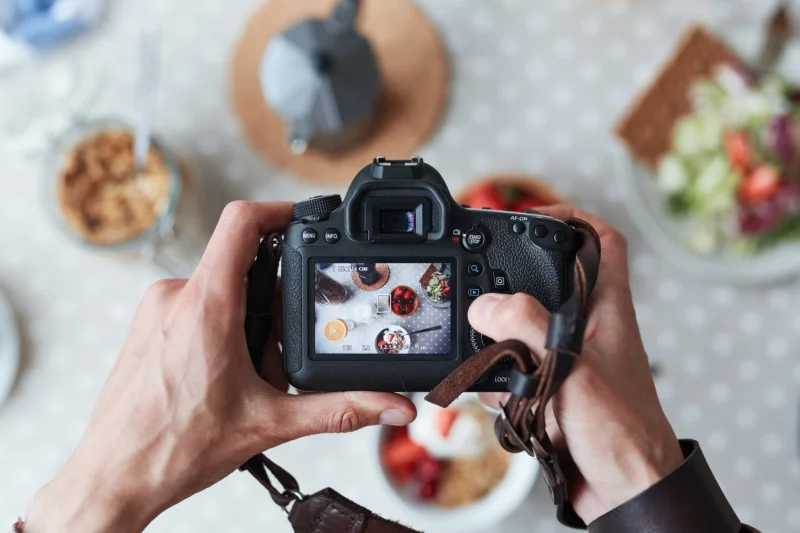
In the age of Instagram, TikTok, and Pinterest, capturing a dish that stops the scroll can be as important as how it tastes. Whether you’re a food blogger, home chef, or restaurant owner, learning the basics of food photography can help you present your meals in their most delicious light. The good news? You don’t need expensive cameras or professional equipment to make your dishes shine.
“Photography is the story I fail to put into words.” — Destin Sparks
This quote is especially relevant for food photography: a well-captured image tells the story of a dish’s texture, aroma, and flavor, all without a single word.
1. Use Natural Light Whenever Possible
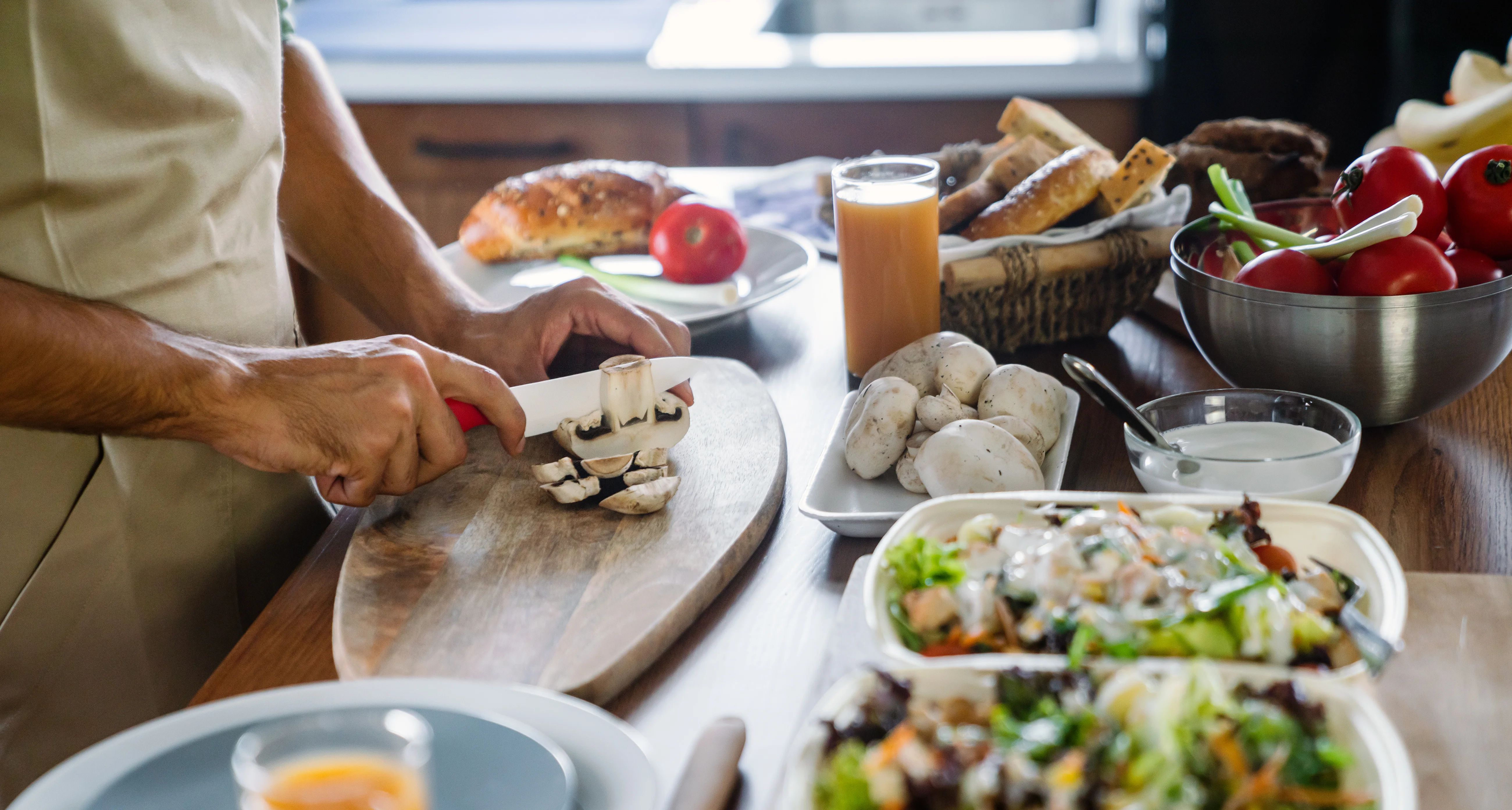
Lighting is everything in photography, and food is no exception. Position your dish near a window with soft, indirect sunlight. Avoid harsh overhead lighting or direct sun that creates unflattering shadows.
Tip: If natural light is limited, use a ring light or soft LED panel to mimic daylight. The goal is bright, even lighting that enhances the colors and textures of your dish.
2. Mind Your Angles
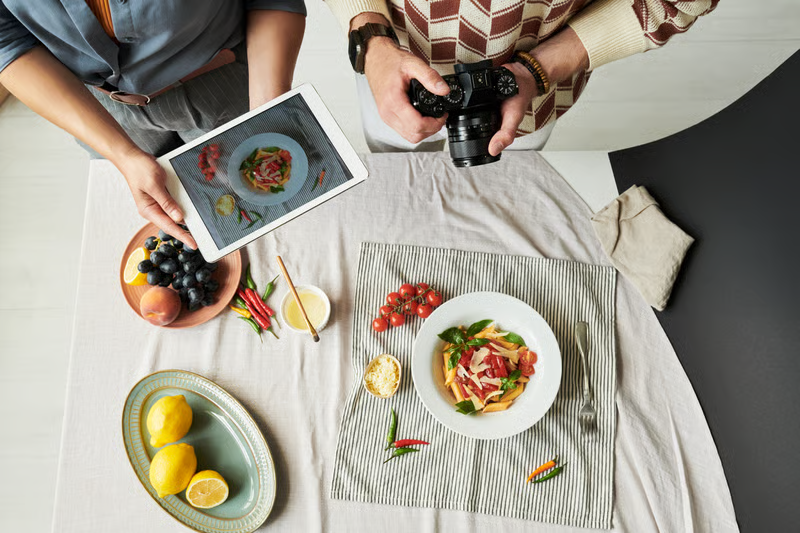
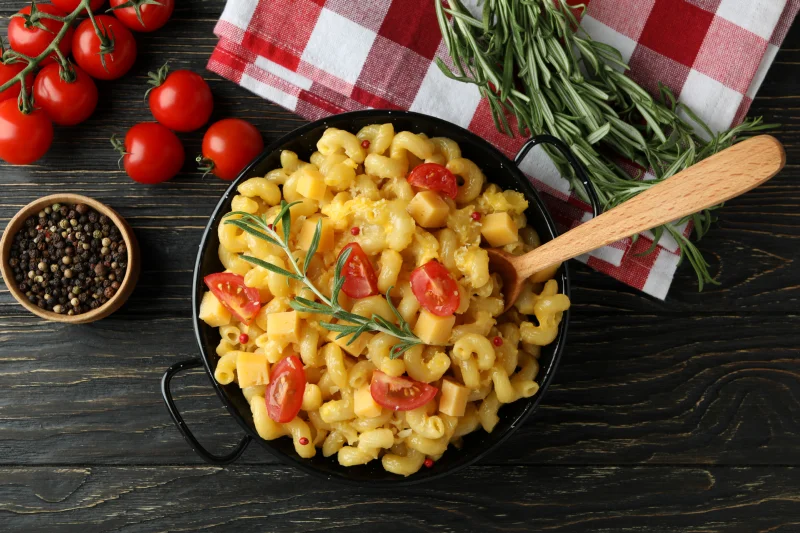
Different dishes shine from different perspectives. Soups, salads, and bowls often look best from above, while layered cakes, burgers, and tall drinks are more visually striking from a side or 45-degree angle.
Tip: Experiment with multiple angles and find the one that best showcases your food’s key features.
Image credit: Image from Pexels
3. Focus on Composition
Composition guides the viewer’s eye and makes your photo feel balanced. Use the rule of thirds by placing the main element off-center, and incorporate negative space to avoid clutter.
Add props such as napkins, utensils, or ingredients used in the recipe, but keep them minimal to avoid distracting from the dish.
4. Highlight Texture and Color
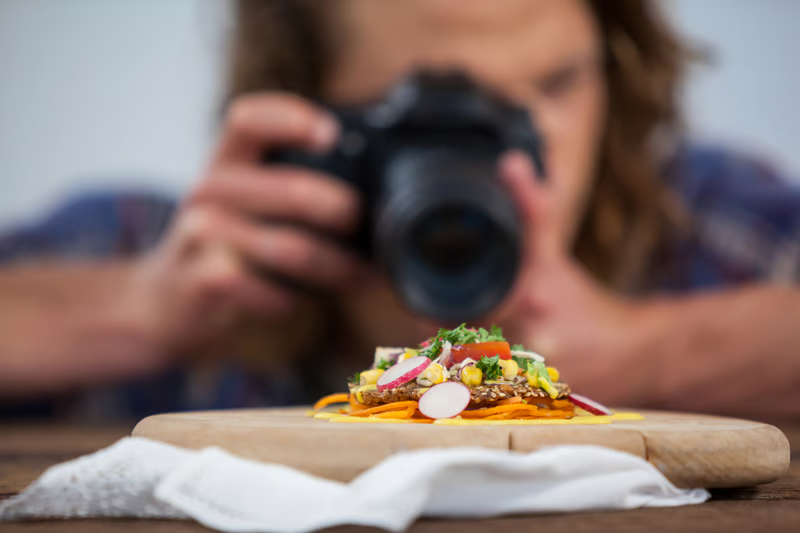
Texture and color make food images mouthwatering. Capture crispy crusts, gooey cheese, or creamy sauces up close. Bright, contrasting colors (like red tomatoes against green herbs) create visual interest and draw attention.
Tip: A shallow depth of field (blurred background) can emphasize texture and keep the focus on the food.
5. Keep It Simple and Clean
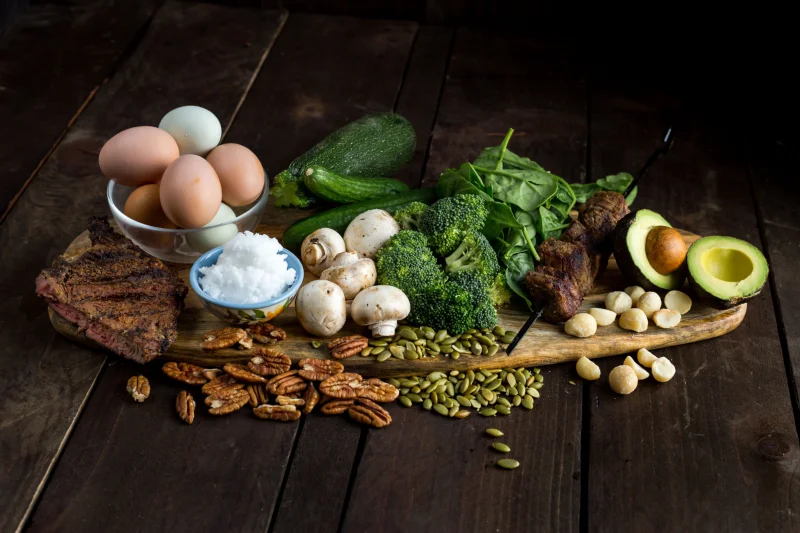
A messy background or too many props can distract viewers. Use clean plates, simple surfaces, and neutral backgrounds to let your food stand out. Sometimes less truly is more.
Image credit: Image from Pexels
6. Edit Thoughtfully
Post-processing can enhance your food photography, but avoid over-editing. Adjust brightness, contrast, sharpness, and color saturation slightly to make the image pop while keeping it realistic. Apps like Lightroom, Snapseed, or VSCO are great for mobile editing.
7. Tell a Story
Every food photo should tell a story — is it a cozy breakfast, a celebratory cake, or a healthy smoothie bowl? Use props, textures, and composition to convey the mood and context, making your image more engaging.
Food photography is an art that blends creativity with technique. By focusing on natural light, composition, color, and storytelling, you can create scroll-stopping images that make your audience want to taste every bite.
Destin Sparks reminds us: “Photography is the story I fail to put into words.” With thoughtful styling, lighting, and framing, your food photos can tell a story as delicious as the dishes themselves.
Key Takeaways
■Natural lighting is the most important factor in capturing appealing food photos.
■Simple backgrounds help keep the focus on the dish.