Explore Global Culinary Techniques and Authentic Flavors
Food
| By Isabella Morgan | February 18, 2026 | 4-5 min read
Discover traditional cooking methods from around the world that elevate flavor and preserve authenticity. Learn how global techniques can transform everyday meals into rich culinary experiences.
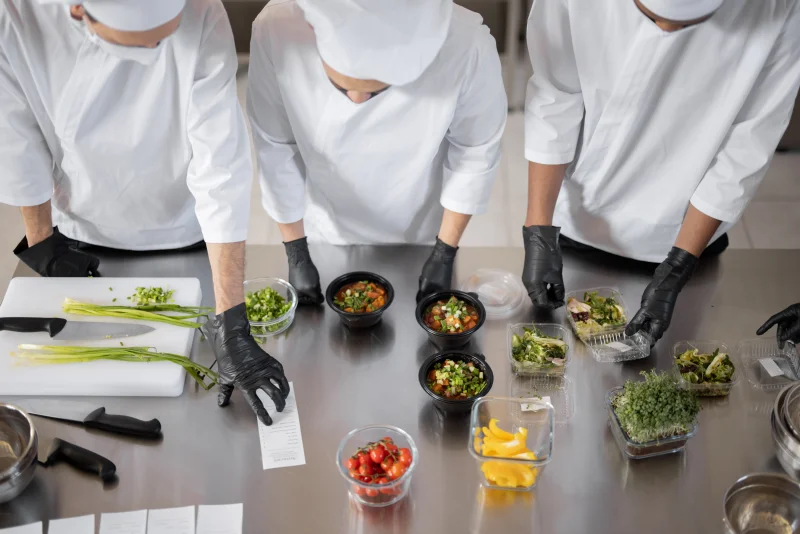
Cooking is both an art and a science, and every culture brings its unique techniques, flavors, and traditions to the table. Exploring global culinary methods not only expands your kitchen skills but also introduces your taste buds to exciting, authentic flavors that tell stories of heritage, geography, and culture.
“Cuisine is the reflection of culture, and cooking is the bridge that connects us to people, places, and traditions.” — Anthony Bourdain, Chef and Author
1. French Precision: Technique Meets Flavor
French cuisine is known for its precise techniques and layered flavors. From sautéing and braising to making classic sauces like béchamel and hollandaise, French methods teach patience, timing, and attention to detail. Mastering these fundamentals elevates the flavors of any dish.
2. Japanese Minimalism: Highlighting Ingredients
Japanese cooking emphasizes freshness, balance, and visual appeal. Techniques such as steaming, simmering, and grilling are often used to enhance the natural flavors of ingredients rather than masking them. Sushi, miso soup, and tempura showcase how simplicity can be profoundly flavorful.
3. Indian Spice Craft: Building Complex Flavors
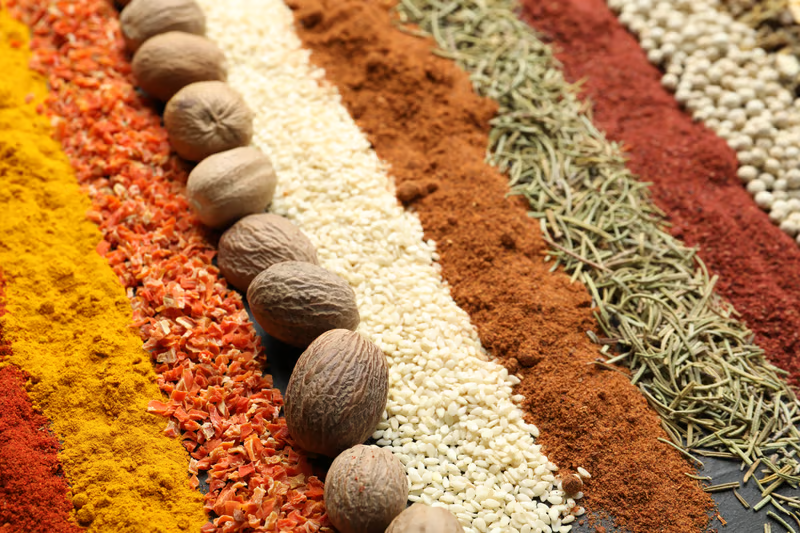
Indian cuisine relies heavily on spice blending, slow cooking, and layering of flavors. Techniques like tempering (tadka) and marinating infuse depth into curries, dals, and tandoori dishes. Learning the art of balancing spices is key to replicating authentic Indian flavors.
Image credit: Image from Pexels
4. Mediterranean Freshness: Health Meets Taste
Mediterranean cooking focuses on fresh, seasonal ingredients. Grilling, roasting, and slow-cooking methods preserve nutrients while enhancing taste. Olive oil, herbs, and citrus play essential roles, creating dishes that are both vibrant and heart-healthy.
5. Latin American Boldness: Vibrant and Dynamic
Latin American cuisines, from Mexican to Peruvian, are celebrated for bold flavors and dynamic cooking techniques. Grilling, roasting, and slow-cooking combined with marinades, citrus, and chili peppers bring energy and excitement to everyday meals.
Image credit: Image from Pexels
6. Middle Eastern Tradition: Aromatic and Layered
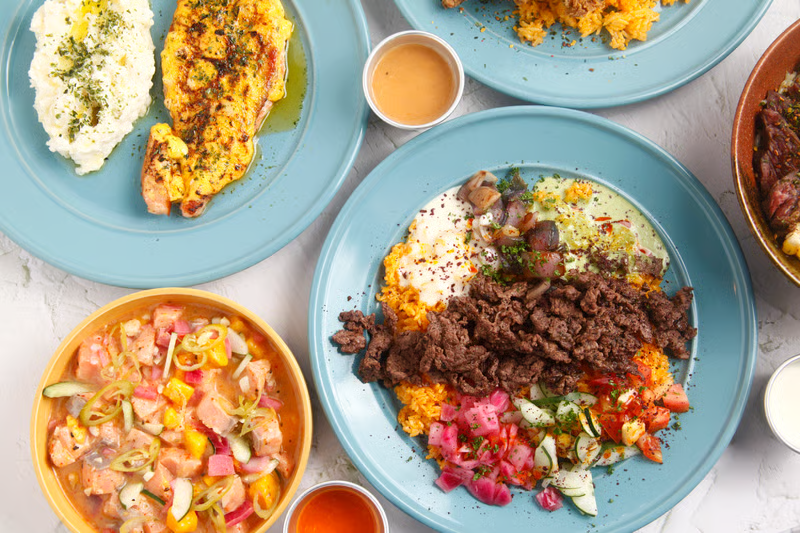
Middle Eastern cooking uses layering techniques, combining grains, vegetables, meats, and aromatic spices. Methods like braising, roasting, and stuffing create depth in dishes such as tagines, pilafs, and mezze platters. The emphasis on aroma, color, and texture makes each meal an immersive experience.
Tips for Bringing Global Techniques to Your Kitchen
Start with one cuisine at a time to master its core techniques.
Invest in a few authentic ingredients to elevate flavors.
Watch cooking demonstrations or online tutorials to understand techniques visually.
Don’t be afraid to experiment — adapt recipes while respecting tradition.
Focus on balance: taste, texture, and presentation matter equally.
Exploring global culinary techniques isn’t just about cooking — it’s about understanding culture, tradition, and flavor. Whether you’re mastering French sauces, perfecting a Japanese sushi roll, or creating a fragrant Indian curry, each method enriches your culinary journey.
By embracing authentic techniques and ingredients, you can bring the world to your kitchen — one delicious, memorable dish at a time.
Key Takeaways
■Traditional cooking techniques often enhance natural flavors without excessive processing.
■Slow cooking methods develop depth and complexity in dishes.
■Fermentation and curing add unique textures and nutritional benefits.
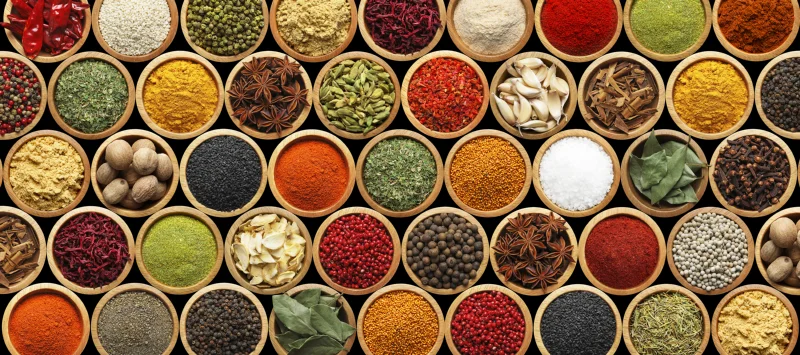
■Using regional spices preserves cultural authenticity in recipes.
■Learning global methods broadens creativity in home cooking.