The Complete Guide to Strengthening Sibling Bonds and Home Harmony
Family
| By Ethan Brooks | January 21, 2026 | 4-5 min read
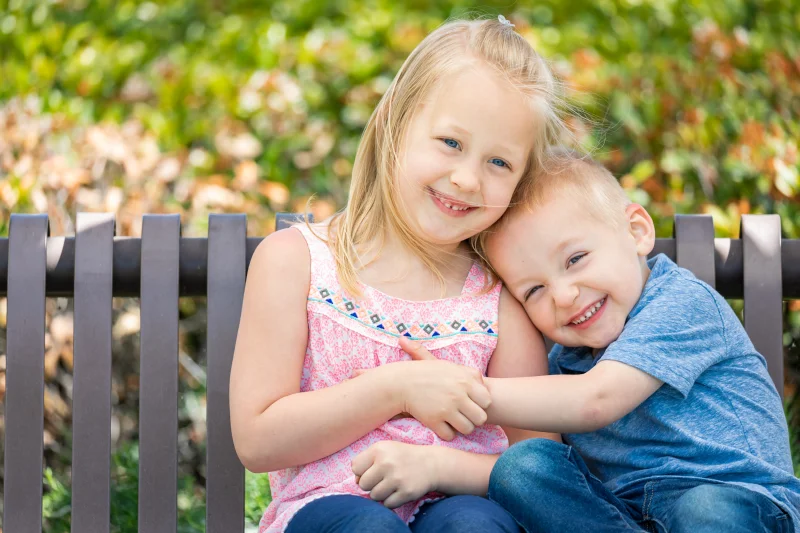
Strong sibling relationships create a supportive and joyful home environment. Discover practical strategies to reduce rivalry, encourage teamwork, and foster lifelong bonds between siblings.
Sibling relationships are often the longest-lasting bonds in our lives — outliving friendships, careers, and sometimes even marriages. These relationships play a crucial role in shaping emotional intelligence, empathy, and the ability to navigate social dynamics. However, just like any relationship, sibling bonds require effort, patience, and understanding to grow stronger over time.
“Our siblings. They resemble us just enough to make all their differences confusing, and no matter what we choose to make of this, we are cast in relation to them for life.” — Susan Scarf Merrell
This quote beautifully captures the complexity of sibling dynamics — where love, rivalry, and lifelong connection coexist. Let’s explore how to cultivate these relationships into sources of strength and harmony at home.
1. Encourage Open and Honest Communication
The cornerstone of any healthy relationship is open communication. Siblings should feel safe to express their feelings, share their achievements, and even voice disagreements. Parents can set the tone by modeling respectful conversation and active listening.
Simple habits — like weekly family check-ins or open discussions during mealtime — can create an environment where everyone feels heard. Over time, this builds trust and reduces the chance of misunderstandings escalating into conflicts.
2. Celebrate Individuality
No two siblings are alike, even when raised under the same roof. Recognizing and celebrating these differences prevents unhealthy comparisons and competition. Whether one child excels in academics and another in creativity, each deserves appreciation for their unique strengths.
Encouraging individuality helps siblings understand that love and attention are not limited resources — fostering mutual respect and admiration instead of rivalry.
3. Promote Teamwork and Shared Goals
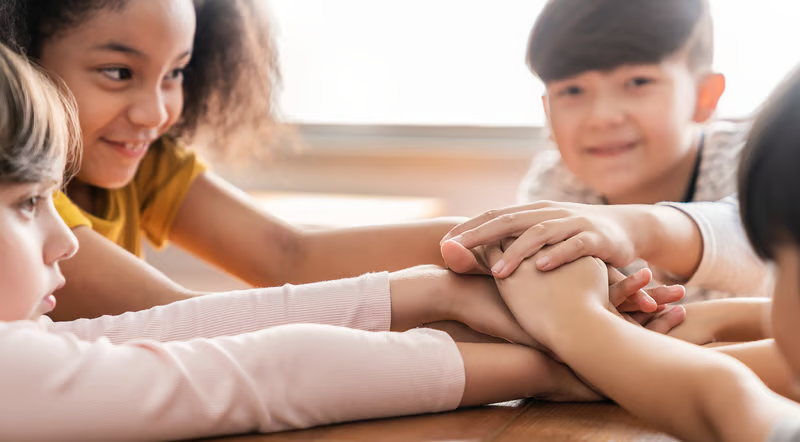
Collaborative activities are a simple yet powerful way to strengthen sibling connections. From cooking a meal together to planning a family outing, shared goals build teamwork and deepen trust.
When children learn to cooperate instead of compete, they develop empathy and a sense of belonging. These shared experiences translate into lifelong habits of support and understanding, even beyond childhood.
Image credit: Image from Pexels
4. Manage Conflicts Constructively
Disagreements are natural, but how they’re handled determines the health of the relationship. Encourage siblings to resolve conflicts respectfully — by expressing their emotions calmly and seeking solutions rather than blame.
Parents should avoid taking sides and instead act as mediators who guide children to understand one another’s perspectives. Over time, this approach teaches valuable life skills like emotional regulation and problem-solving.
5. Build Shared Memories
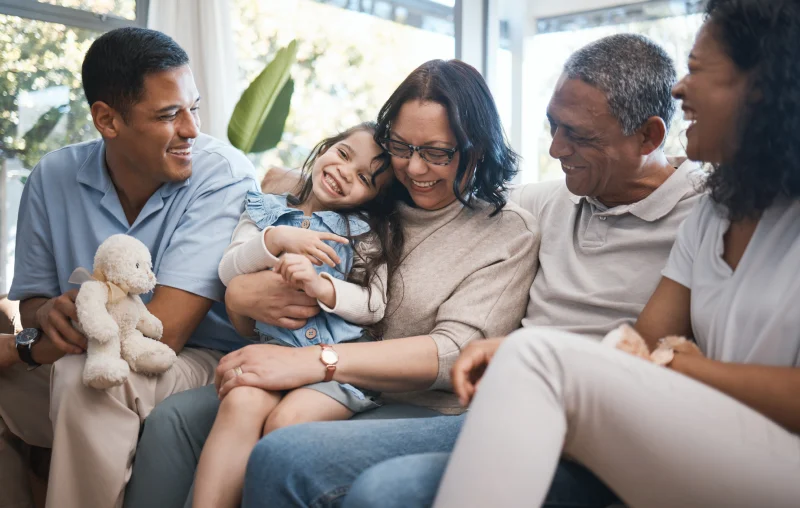
Family traditions, vacations, and even simple daily rituals create lasting emotional bonds. Taking photos together, celebrating milestones, or starting a “siblings-only” tradition can nurture a sense of belonging and shared identity.
These moments become emotional anchors — reminders that, despite differences, family remains a constant source of support and love.
Image credit: Image from Pexels
6. Stay Connected Beyond Childhood
As siblings grow older, life paths often diverge due to studies, careers, or personal choices. Staying connected through messages, calls, or occasional visits keeps the relationship alive. Even short, meaningful conversations can rekindle closeness and show ongoing care.
Small gestures — remembering birthdays, checking in during stressful times, or planning reunions — go a long way toward maintaining harmony and connection.
Sibling relationships can be among the most rewarding and stabilizing connections in life — if nurtured with empathy, patience, and communication. By celebrating individuality, encouraging collaboration, and handling conflicts with care, families can transform sibling dynamics into lifelong friendships that enrich everyone’s emotional well-being.
As Susan Scarf Merrell reminds us, our siblings are “the mirrors and opposites of ourselves” — lifelong companions in our shared journey of growth, love, and family.
Key Takeaways
■Encouraging open communication reduces misunderstandings between siblings.
■Setting clear family rules promotes fairness and respect.
■Creating shared activities strengthens cooperation and bonding.