Digital Minimalism: Simplify Your Tech Life

Cut through digital clutter and regain focus with digital minimalism. Learn how to simplify your tech habits and create a more intentional digital life.
Cut through digital clutter and regain focus with digital minimalism. Learn how to simplify your tech habits and create a more intentional digital life.
In a world where technology is constantly competing for attention, digital minimalism offers a refreshing approach to using devices more intentionally. Instead of allowing technology to control your time and focus, digital minimalism encourages you to take control of your digital habits and simplify your tech life.
Digital clutter is one of the biggest challenges in modern life. From unused apps and endless notifications to overflowing emails and disorganized files, digital overload can reduce productivity and increase stress. The first step toward digital minimalism is identifying and removing unnecessary digital elements that do not add value to your life.
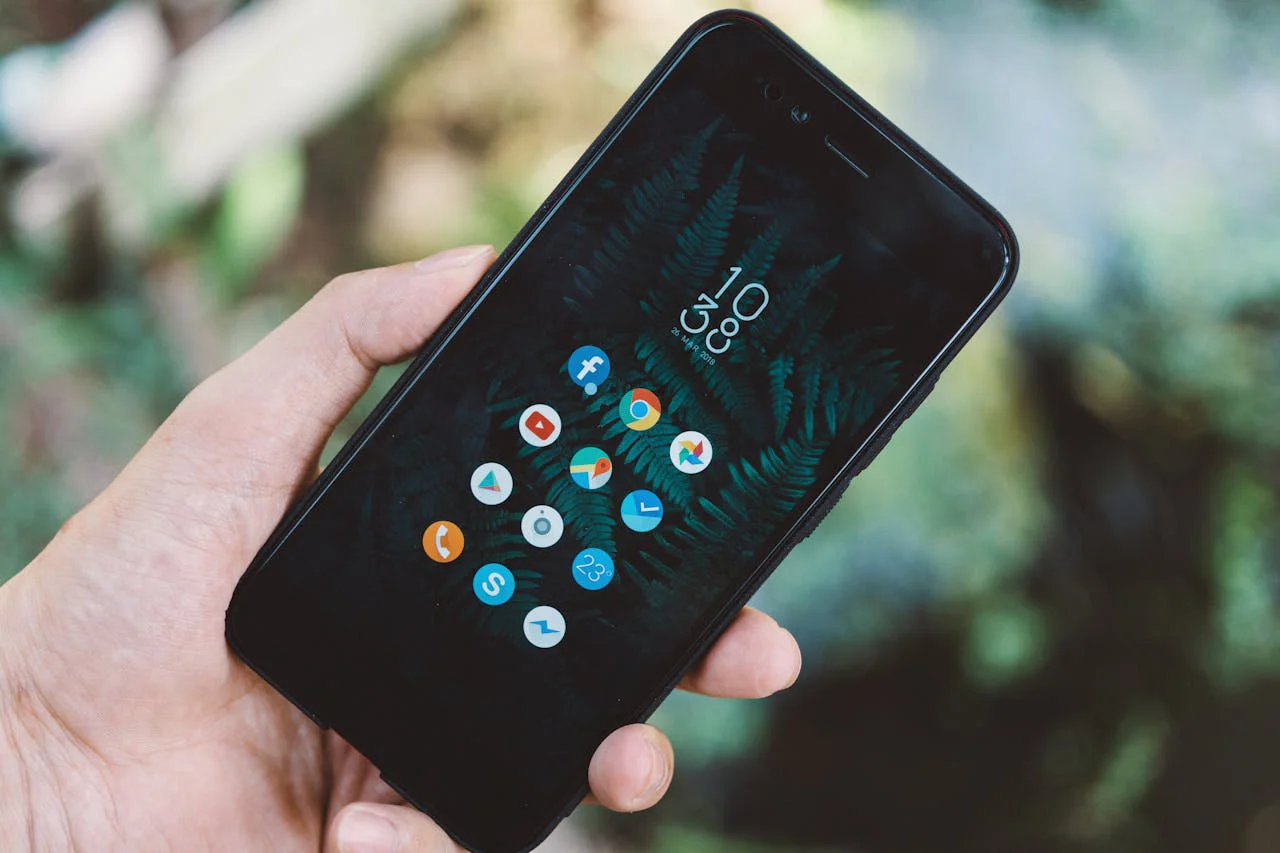
One of the most effective ways to start is by decluttering your devices. Go through your phone, tablet, and computer and remove apps that you no longer use. Many people install apps for short-term use but never delete them. Keeping only essential apps not only frees up storage but also reduces distractions.
Managing notifications is another key aspect of digital minimalism. Constant alerts from social media, emails, and apps can interrupt your focus throughout the day. Turning off non-essential notifications allows you to stay more focused and use your time more effectively. You can choose to check updates at specific times instead of reacting to every alert.
Organizing digital files is also important. Creating folders, naming files clearly, and deleting duplicates can make it easier to find what you need. A clean and organized digital space saves time and reduces frustration.
Another important principle of digital minimalism is intentional usage. Instead of mindlessly scrolling or switching between apps, focus on using technology for specific purposes. Ask yourself whether a particular app or activity adds value to your day. This mindset helps reduce unnecessary screen time and improves overall productivity.
Setting boundaries with technology is also essential. You can create tech-free zones or times, such as during meals or before bedtime. Limiting device usage during these times helps improve focus, sleep quality, and personal interactions.
Digital minimalism also encourages mindful consumption of information. With so much content available online, it is easy to feel overwhelmed. Choosing high-quality sources and limiting exposure to unnecessary information can help you stay informed without feeling overloaded.
Another effective strategy is scheduling your digital activities. Allocating specific time slots for checking emails, social media, or messages can help you stay in control of your time. This prevents constant interruptions and allows you to focus on more important tasks.
The benefits of digital minimalism go beyond productivity. It can also improve mental well-being by reducing stress and creating a sense of control. When you are not constantly distracted by notifications or digital clutter, it becomes easier to focus on meaningful activities and real-life experiences.
Digital minimalism does not mean completely avoiding technology. Instead, it is about using technology in a way that supports your goals and values. The aim is to create a balanced relationship with technology rather than eliminating it.
Thought leaders like Cal Newport have popularized this concept, emphasizing the importance of intentional technology use in a highly connected world.
In conclusion, digital minimalism is about simplifying your tech life by reducing clutter, managing distractions, and using technology more intentionally. By making small changes to your digital habits, you can improve focus, productivity, and overall well-being.
A simpler digital life often leads to a clearer and more focused real life.