How Automation Is Changing the Way We Live
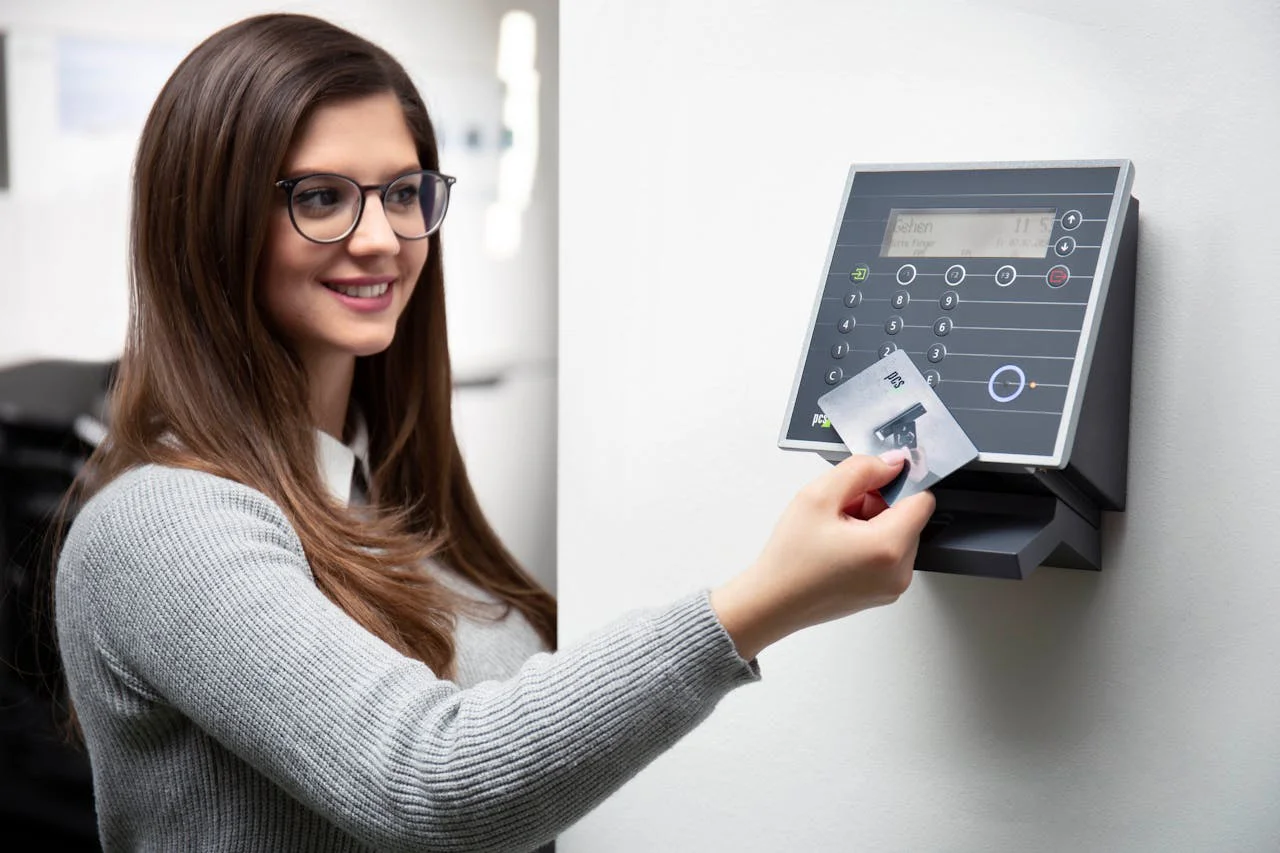
Automation is transforming everyday life, from homes to workplaces. Discover how smart systems are making tasks easier, faster, and more efficient.
Automation is transforming everyday life, from homes to workplaces. Discover how smart systems are making tasks easier, faster, and more efficient.
Automation is no longer a concept of the future—it is already a part of everyday life. From the way we manage our homes to how we work and communicate, automation is transforming daily routines by making tasks faster, easier, and more efficient. As technology continues to evolve, automation is becoming more accessible and integrated into modern living.
One of the most noticeable areas where automation is making an impact is in the home. Smart home devices can now control lighting, temperature, security, and appliances with minimal effort. These systems can be programmed to operate automatically based on schedules or user preferences. For example, lights can turn on when you enter a room, or thermostats can adjust temperatures based on the time of day. This level of convenience improves comfort while also saving time and energy.
Automation is also changing the way people work. Many routine tasks that once required manual effort are now handled by automated systems. This includes scheduling, data management, and even customer interactions. Automation helps reduce repetitive work, allowing individuals to focus on more important and creative tasks. This shift not only improves productivity but also enhances job satisfaction.
In everyday activities, automation is simplifying common tasks. From automatic bill payments to reminders and smart assistants, technology is helping people stay organized and manage their time more effectively. These tools reduce the chances of forgetting important tasks and make daily life more structured.
Transportation is another area where automation is having a significant impact. Navigation systems, traffic updates, and driver-assist technologies are improving safety and efficiency on the road. While fully autonomous vehicles are still developing, many features already available in vehicles today rely on automation to enhance the driving experience.
Healthcare is also benefiting from automation. From appointment scheduling to monitoring health data, automated systems are making healthcare more efficient and accessible. Wearable devices can track physical activity, heart rate, and sleep patterns, providing valuable insights that help individuals manage their health more effectively.
Automation is also playing a key role in communication. Email filters, chat responses, and smart notifications help people manage large volumes of information quickly. These systems prioritize important messages and reduce unnecessary distractions, making communication more efficient.
Another important benefit of automation is consistency. Automated systems perform tasks in a standardized way, reducing the chances of human error. This is particularly useful in areas where accuracy is important, such as financial management, scheduling, and data processing.
However, automation also brings challenges. As systems take over more tasks, there is a growing need to balance technology with human involvement. It is important to ensure that automation enhances human capabilities rather than replacing them entirely. Maintaining control and understanding how systems work is essential for using automation effectively.
Privacy and security are also important considerations. As automated systems collect and process more data, protecting that data becomes crucial. Users need to be aware of how their information is used and take steps to ensure it remains secure.
Despite these challenges, the benefits of automation are significant. It saves time, improves efficiency, reduces effort, and allows people to focus on what truly matters. As technology continues to advance, automation is expected to become even more sophisticated and widespread.
Industry leaders like Elon Musk have often highlighted how automation and artificial intelligence will continue to reshape industries and daily life. This transformation is already underway and will only accelerate in the coming years.
In conclusion, automation is changing the way we live by simplifying tasks, improving efficiency, and enhancing convenience. From smart homes to workplaces and healthcare, automation is becoming an essential part of modern life.
As we move forward, the goal will be to use automation in a way that supports human needs while creating a more efficient and connected world.