The Future of Consumer Electronics: What to Expect
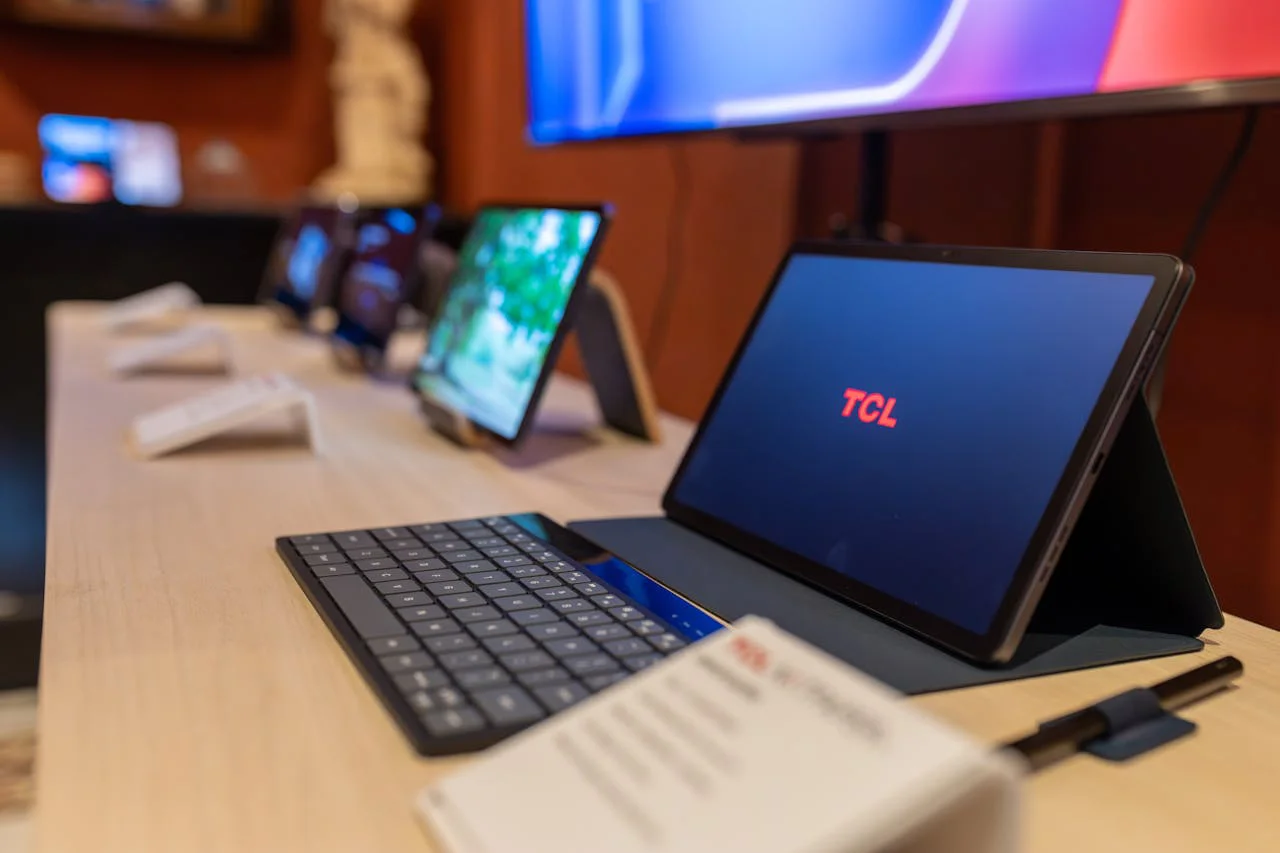
From smarter devices to seamless connectivity, explore the key trends shaping the future of consumer electronics and everyday technology.
From smarter devices to seamless connectivity, explore the key trends shaping the future of consumer electronics and everyday technology.
Consumer electronics have evolved rapidly over the past decade, transforming the way people live, work, and communicate. As technology continues to advance, the future of consumer electronics promises even greater innovation, convenience, and integration. From smarter devices to more sustainable solutions, the next wave of electronics is set to redefine everyday experiences.
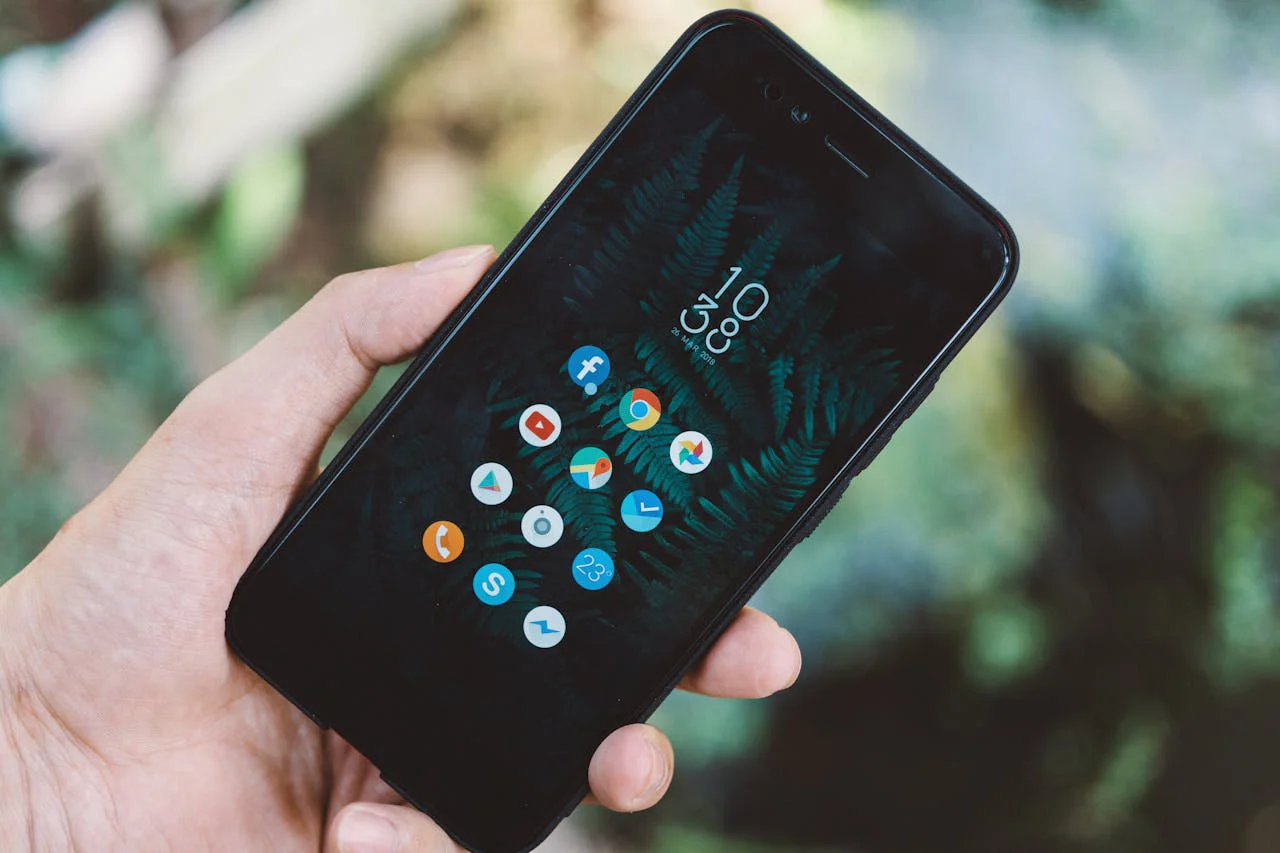
One of the most significant trends shaping the future of consumer electronics is the rise of smarter devices. Modern gadgets are no longer just tools—they are becoming intelligent systems capable of learning user behavior and adapting accordingly. This shift is largely driven by advancements in artificial intelligence, which allows devices to offer personalized recommendations, automate tasks, and improve overall efficiency.
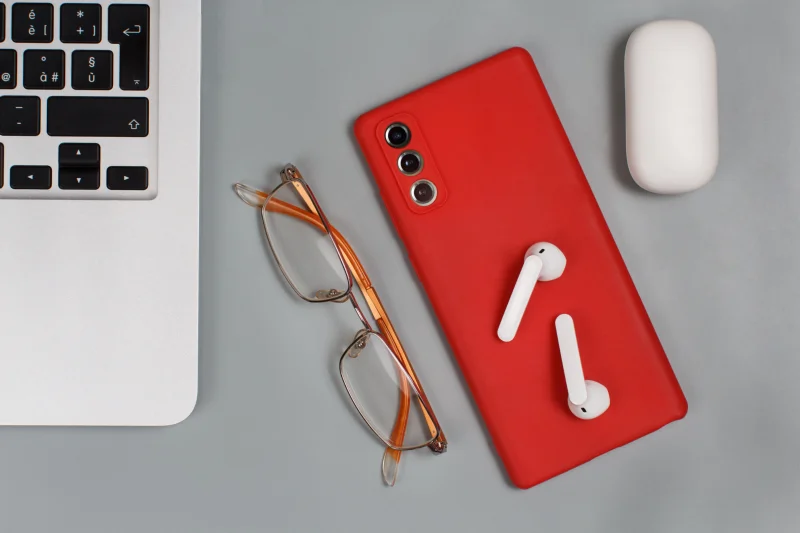
Connectivity is another major factor driving innovation. The future of consumer electronics is centered around seamless integration between devices. Smartphones, laptops, smart home devices, and wearable technology are increasingly working together as part of a connected ecosystem. This interconnectedness allows users to control multiple devices from a single interface, creating a more convenient and streamlined experience.
Smart homes are a key example of this trend. From smart lighting and thermostats to voice-controlled assistants and security systems, homes are becoming more connected and efficient. These technologies not only enhance comfort but also improve energy efficiency and security. As more devices become compatible with each other, the concept of a fully integrated smart home is becoming a reality.
Wearable technology is also expected to play a bigger role in the future. Devices such as smartwatches and fitness trackers are already popular, but future wearables are likely to offer more advanced features. These may include better health monitoring, improved battery life, and enhanced connectivity with other devices. Wearables are expected to become more integrated into daily life, providing real-time insights and support.
Another important trend is the focus on sustainability. As awareness of environmental issues grows, manufacturers are placing greater emphasis on creating energy-efficient and eco-friendly products. This includes using recyclable materials, reducing energy consumption, and designing devices that last longer. Sustainable technology is not only beneficial for the environment but also appeals to consumers who value responsible products.
The design of consumer electronics is also evolving. Future devices are expected to be more compact, lightweight, and aesthetically pleasing. Innovations such as foldable screens, flexible displays, and minimalistic designs are already emerging and are likely to become more common. These advancements aim to improve both functionality and user experience.
Automation is another key aspect of future electronics. Devices are becoming capable of performing tasks with minimal user input. From smart assistants that manage schedules to appliances that adjust settings automatically, automation is making everyday life more convenient. This trend is expected to continue as technology becomes more advanced and intuitive.
Data and cloud integration will also play a crucial role in the future. Storing and accessing data across multiple devices will become even more seamless. Cloud-based systems allow users to access information from anywhere, making it easier to stay connected and productive. This level of accessibility is essential in a world where people rely on multiple devices for work and personal use.
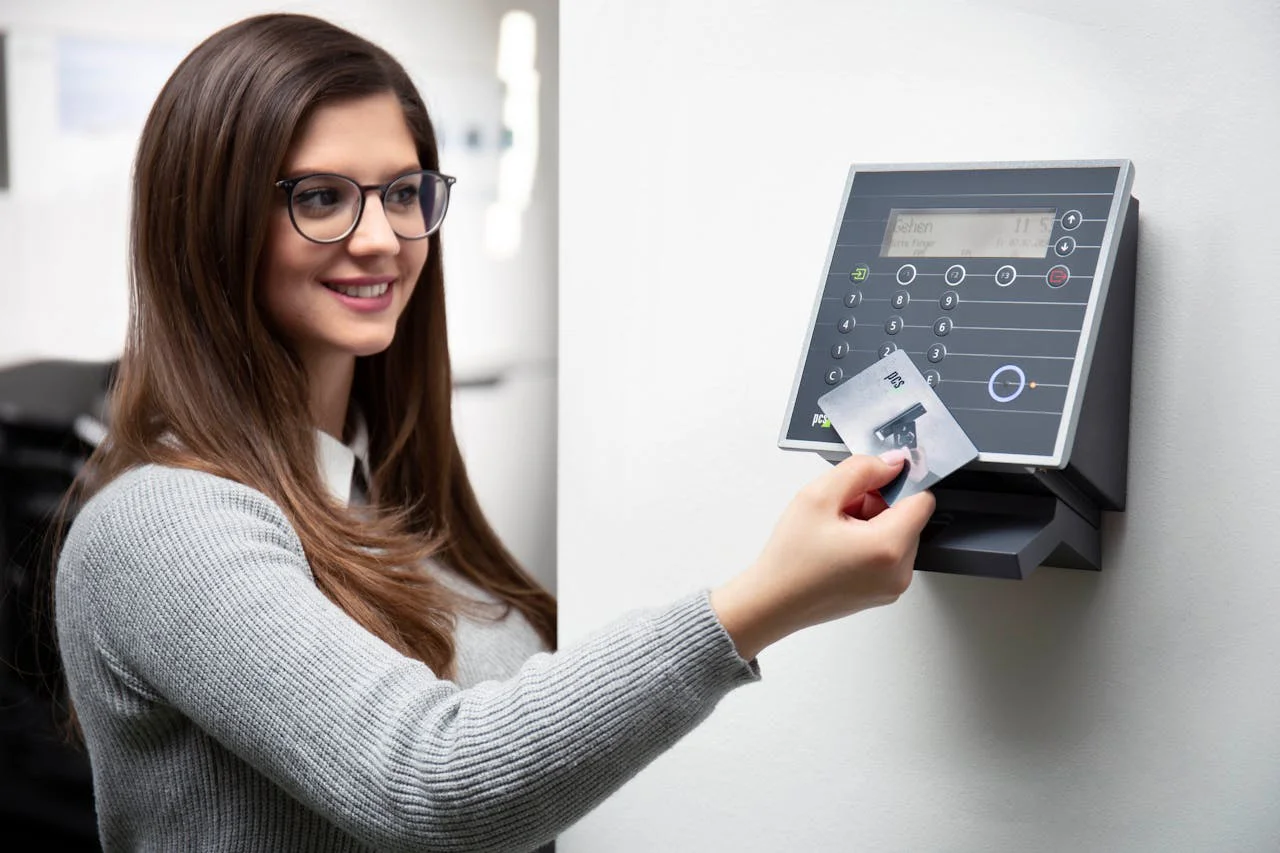
Security and privacy are becoming increasingly important as devices become more connected. Future consumer electronics will likely include stronger security features to protect user data. This may involve advanced encryption, biometric authentication, and improved software updates to prevent vulnerabilities.
Industry innovators like Tim Cook have emphasized the importance of privacy, sustainability, and seamless user experiences in shaping the future of technology. These priorities are expected to guide the development of next-generation consumer electronics.
In conclusion, the future of consumer electronics is defined by smarter devices, seamless connectivity, sustainability, and enhanced user experiences. As technology continues to evolve, electronics will become more integrated into daily life, making tasks easier, faster, and more efficient.
The next generation of consumer electronics is not just about new gadgets—it is about creating a connected, intelligent, and user-friendly digital ecosystem.