The Evolution of Personal Technology in the Next Decade
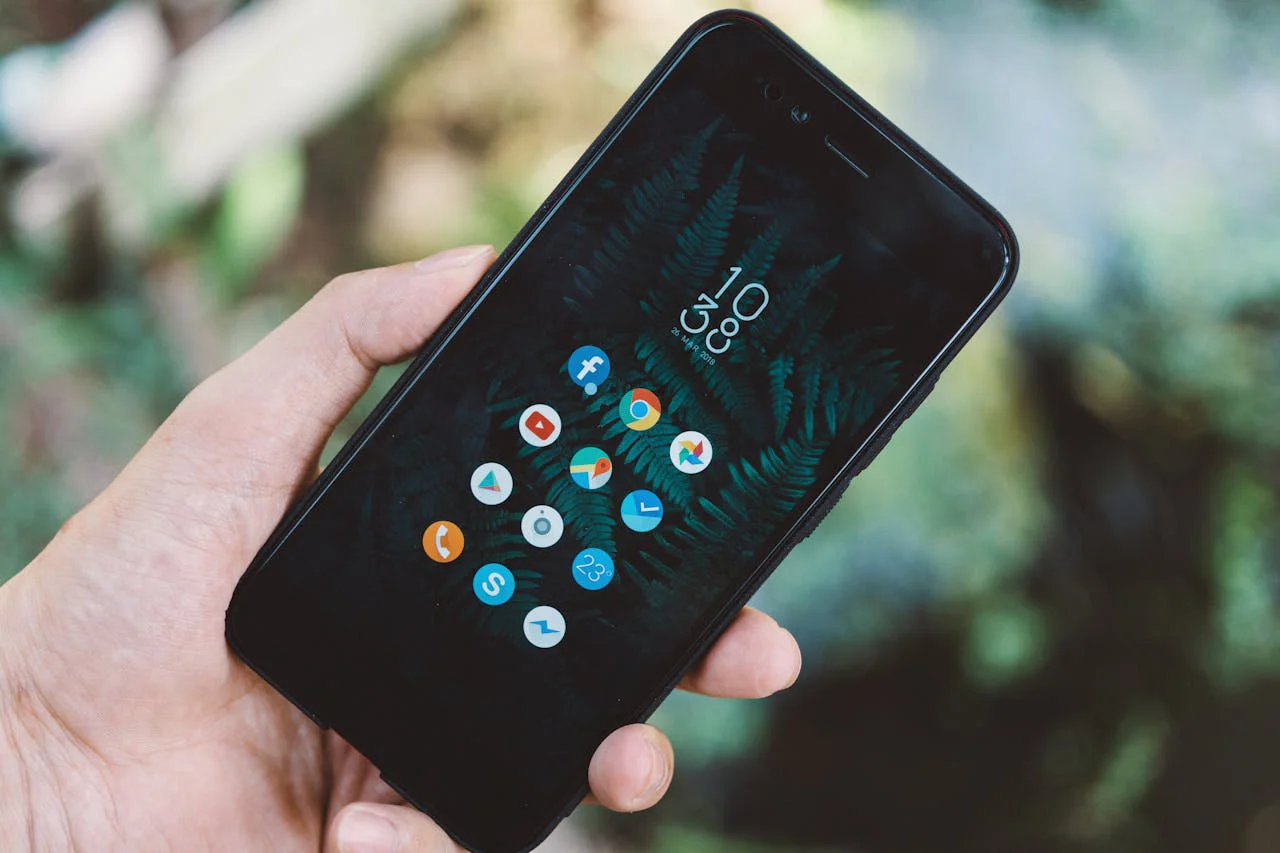
Personal technology is evolving faster than ever. Discover how devices, connectivity, and user experiences will transform over the next decade.
Personal technology is evolving faster than ever. Discover how devices, connectivity, and user experiences will transform over the next decade.
Personal technology has already transformed the way we live, work, and communicate. From smartphones and laptops to wearable devices and smart home systems, technology has become an essential part of everyday life. As we look toward the next decade, personal technology is expected to evolve even further, becoming more intelligent, integrated, and personalized than ever before.
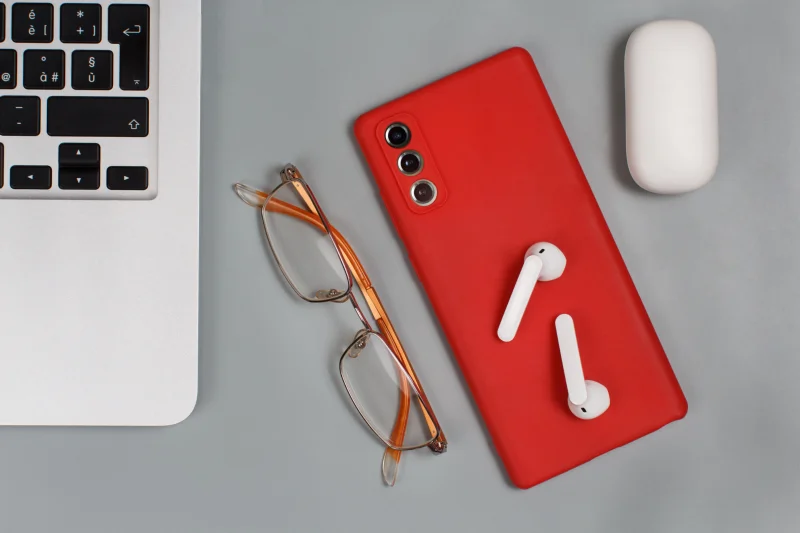
One of the most noticeable changes will be the shift toward more seamless and connected experiences. Devices will no longer function independently but will work together as part of a unified ecosystem. Smartphones, wearables, home devices, and even vehicles will communicate with each other, creating a smooth and efficient digital environment. This level of integration will allow users to move between devices without interruption.
Artificial intelligence will play a central role in shaping personal technology. Future devices will be able to understand user behavior, preferences, and habits more accurately. This will enable them to provide personalized recommendations, automate routine tasks, and improve overall efficiency. From managing schedules to controlling home environments, AI-powered systems will make everyday tasks simpler and more convenient.
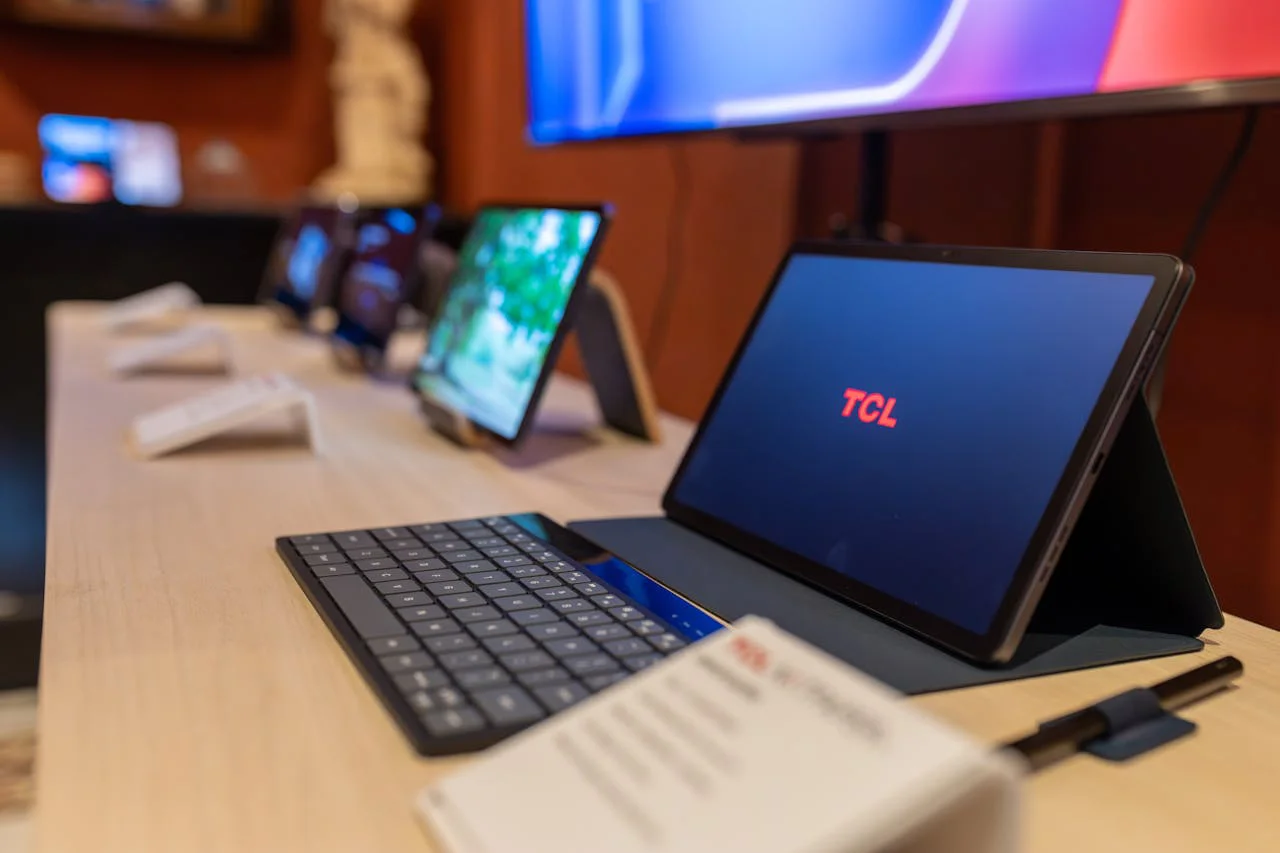
The design of personal technology is also expected to change significantly. Devices will become more compact, lightweight, and flexible. Innovations such as foldable screens, wearable displays, and even invisible interfaces will redefine how we interact with technology. Instead of relying on traditional screens, users may interact with devices through voice, gestures, or augmented reality.
Wearable technology is likely to expand beyond fitness tracking. Future wearables may include advanced health monitoring features, such as real-time tracking of vital signs, early detection of health issues, and personalized health recommendations. These devices could play a major role in preventive healthcare and overall well-being.
Connectivity will continue to improve, enabling faster and more reliable communication between devices. With advancements in network technology, users can expect quicker data transfer, smoother streaming, and better overall performance. This will enhance remote work, online learning, and digital collaboration.
Another important trend is the growing focus on sustainability. As technology becomes more advanced, there is increasing awareness of its environmental impact. Manufacturers are expected to prioritize energy-efficient designs, recyclable materials, and longer product lifecycles. Sustainable technology will become a key factor in consumer decisions.
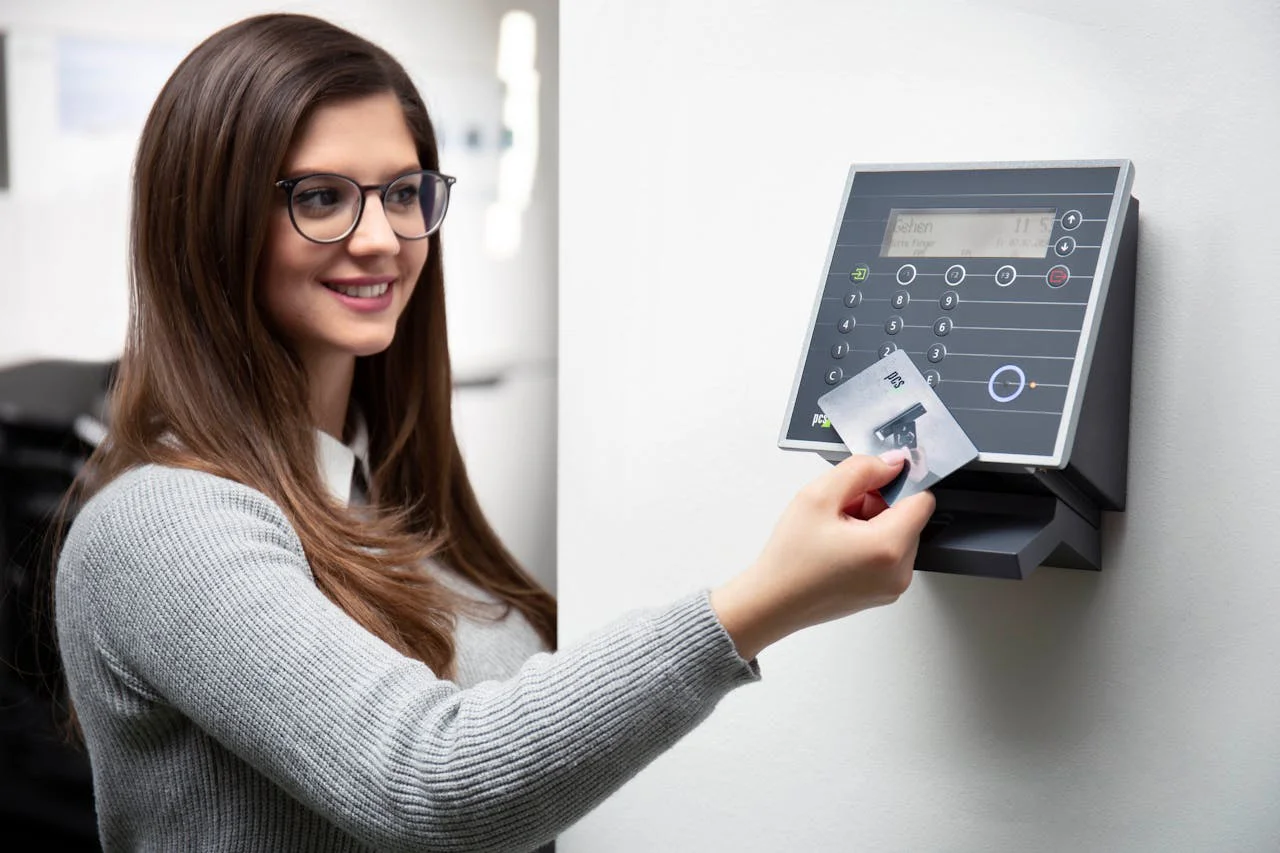
Privacy and security will remain critical concerns in the evolution of personal technology. As devices collect more data, protecting user information will become even more important. Future technologies will likely include stronger security measures, such as advanced encryption and biometric authentication, to ensure data safety.
Automation will also become more prevalent. Devices will handle routine tasks automatically, reducing the need for manual input. From smart assistants managing daily schedules to home systems adjusting lighting and temperature, automation will enhance convenience and efficiency.
The way people interact with technology will also evolve. Interfaces will become more intuitive and user-friendly, making technology accessible to a wider audience. Voice commands, gesture controls, and immersive experiences will replace traditional methods of interaction, creating a more natural and engaging user experience.
Industry leaders like Satya Nadella have highlighted the importance of integrating intelligence and cloud capabilities into everyday devices. This vision reflects the direction in which personal technology is heading—toward a more connected, intelligent, and user-centric future.
In conclusion, the next decade will bring significant advancements in personal technology. Devices will become smarter, more connected, and more integrated into daily life. With improvements in artificial intelligence, connectivity, design, and sustainability, personal technology will continue to shape how we live and interact with the world.
The future of personal technology is not just about innovation—it is about creating seamless, intuitive experiences that enhance everyday life.